
 By
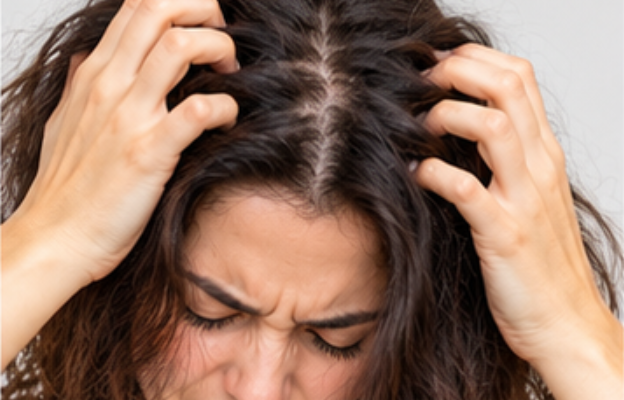
An itchy scalp can be distracting, uncomfortable and sometimes difficult to understand. For some people, it appears occasionally after washing or styling their hair. For others, it becomes a persistent concern accompanied by dryness, visible flakes or irritation.
Although it is tempting to respond by changing shampoo or washing more frequently, an itchy scalp does not always have the same cause. It can be associated with dryness, product build-up, sensitivity or common scalp conditions. Understanding the possible reasons is important because the most suitable approach depends on what is happening beneath the hair.
Good hair care begins with paying attention to the scalp as well as the lengths and ends.
The scalp is part of healthy hair care
The scalp is skin, and like the skin elsewhere on the body, it has its own natural balance. It produces oils that help maintain the surface and provides the environment from which hair grows.
When that balance is disrupted, the scalp may become uncomfortable. Itching can occur alongside dryness, excess oil, flaking or sensitivity, although these signs do not always appear together.
A person’s scalp condition can also change over time. Weather, washing habits, styling products and general lifestyle factors may influence how it feels. Someone who has never experienced irritation may begin noticing discomfort after introducing a new product or changing their routine.
This is why it is useful to look at recent changes rather than automatically assuming that the scalp needs a stronger cleansing product.
Dryness and tightness
One possible cause of itching is a dry scalp. When the skin loses moisture, it may feel tight or uncomfortable, sometimes producing small, dry flakes.
Frequent washing with an unsuitable shampoo, very hot water or exposure to dry environmental conditions may contribute to the problem in some people.
The solution is not necessarily to stop washing altogether. An appropriate cleansing routine should remove excess oil, dirt and product residue without leaving the scalp feeling excessively dry.
Water temperature can also make a difference to comfort. Very hot showers may aggravate dryness or sensitivity, so using comfortably warm water is often a sensible adjustment.
It is worth remembering that visible flakes are not automatically proof of a dry scalp. Other scalp conditions can produce similar symptoms, and the appearance alone may not reveal the underlying cause.
Product build-up and irritation
Styling products, dry shampoos and conditioning treatments can leave residue if they are not removed effectively. Over time, this may contribute to a scalp that feels uncomfortable or less fresh.
However, product build-up is not the only possible explanation for irritation. Certain ingredients may also trigger sensitivity or allergic reactions in some individuals.
A new shampoo, styling spray or colour service can sometimes coincide with the appearance of itching. If discomfort begins shortly after introducing something new, it may be worth considering whether that change is relevant.
Using more products is rarely the best immediate response. A simpler routine can make it easier to identify potential triggers, while avoiding unnecessary experimentation with several new formulations at once.
If irritation is significant, persistent or accompanied by redness, swelling or a rash, professional medical advice is more appropriate than repeatedly changing hair products.
Dandruff and other scalp conditions
Dandruff is a common cause of scalp flaking and itching. It can produce visible flakes and may be associated with an oily or irritated scalp.
It is different from simple dryness, even though the two can sometimes appear similar. Dandruff is commonly associated with the skin’s response to a naturally occurring yeast, alongside individual sensitivity and other factors.
Some people may benefit from specialist anti-dandruff shampoos, but the appropriate option depends on the symptoms and individual circumstances. If the problem does not improve, or if the scalp becomes painful or inflamed, a healthcare professional or dermatologist can help establish what is happening.
Other conditions, including eczema, psoriasis and contact dermatitis, can also affect the scalp. These require appropriate assessment rather than being treated as ordinary product build-up.
A hairdresser may notice visible changes during an appointment, but diagnosing scalp conditions is outside the role of salon hairdressing.
How washing habits can affect comfort
Washing frequency is often discussed as though there is one ideal routine for everyone. In reality, the right frequency depends on scalp oil production, hair texture, activity levels and personal preference.
Someone with an oily scalp may feel more comfortable washing frequently, while another person may find that less frequent cleansing suits their hair better.
The important consideration is how the scalp responds. If it feels uncomfortable shortly after washing, the shampoo, water temperature or technique may need reviewing. If residue accumulates between washes, the routine may not be providing sufficient cleansing.
Applying shampoo primarily to the scalp and allowing the lather to pass through the lengths is often a practical way to cleanse without unnecessarily roughening the ends.
Conditioner, meanwhile, is generally most useful through the mid-lengths and ends, particularly when the hair is dry or treated. Applying heavy products directly to the scalp may not suit everyone.
The connection between styling and scalp comfort
Scalp discomfort is not always caused by cleansing products. Styling habits can also play a part.
Tightly secured hairstyles may create tension, particularly when worn repeatedly. Heavy styling products can be uncomfortable for some people, and frequent use of heated tools close to the scalp may contribute to irritation if care is not taken.
Hair colour and chemical services also deserve consideration. A burning sensation, significant itching or unusual discomfort during a treatment should never be ignored. The salon professional should be informed immediately so that the appropriate action can be taken.
A good hairdressing consultation includes discussing sensitivity and previous reactions before a service begins. This allows the stylist to understand any relevant concerns and follow suitable professional precautions.
When to seek professional advice
Occasional mild itching may settle after a simple adjustment to the hair care routine. Persistent symptoms, however, should not be treated indefinitely with trial and error.
Medical advice is particularly important if the scalp becomes painful, swollen, develops sores, shows signs of infection or experiences significant scaling. Sudden changes or symptoms that continue despite appropriate care also deserve assessment.
A salon professional can offer practical guidance about washing, styling and product use, but should not attempt to diagnose a medical condition.
For everyday hair care, the most useful approach is often a balanced one: cleanse appropriately, avoid unnecessary product accumulation and pay attention to how the scalp responds.
At salons such as Windle London, the relationship between hair condition, professional care and everyday styling is part of a considered approach to looking after hair.
An itchy scalp should not simply be accepted as an unavoidable part of having hair. By understanding the possible causes and recognising when specialist advice is needed, people can make more informed choices and build a routine that supports both scalp comfort and the appearance of their hair.





Comments