
 By
By 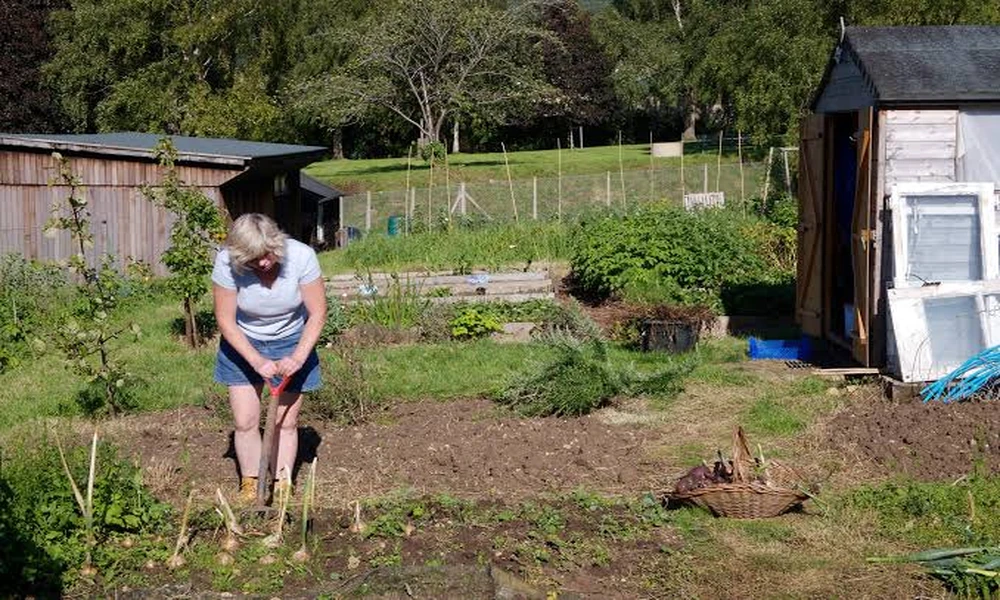
At a Glance
A thriving allotment does not depend on visiting every day. With careful planning, suitable crops, healthy soil and simple ways to conserve moisture, you can keep plants growing during busy periods. A clear routine also helps you use each visit efficiently, ensuring essential tasks are completed throughout the growing season.
Keeping Your Allotment Productive When Life Gets Busy
Maintaining an allotment takes time, but visiting your plot every day is not always realistic. Work, family commitments, holidays and other responsibilities can keep you away for days at a time. That does not mean your plants have to struggle or your plot has to become difficult to manage.
With some planning, you can choose crops that suit your schedule, prepare the soil to retain moisture and create a routine that makes each visit count. The key is to understand which tasks require regular attention and which can be handled less frequently.
By making sensible choices before you plant, you keep your allotment productive and healthy, even when daily visits are impossible. Many of the same planning principles used by successful winners of allotment competitions can also help everyday gardeners create productive, well-organised plots that are easier to maintain.
The following strategies can help you maintain a productive plot while keeping the work manageable alongside your other commitments.
Plan Your Plot Around Your Available Time
Before you start planting, think honestly about how often you can reach your allotment. A plot that needs constant attention quickly becomes difficult to manage if your schedule is already full. Choose a growing plan that matches the time you can realistically give to your plot.
You could grow fewer crops with reliable yields and spread sowing dates throughout the season. This spreads the workload while leaving you more time to deal with essential tasks such as watering, harvesting and pest control.
Choose Crops That Can Cope Between Visits
Some crops are easier to manage when you cannot visit your plot daily. Potatoes, onions, garlic and many root vegetables continue growing with limited attention once established. Hardy leafy crops also perform well when planted in suitable conditions. Looking at how other growers approach their plots can give you ideas for choosing crops and organising your own growing space.
Think about how quickly each crop needs to be harvested. Courgettes, for example, can become oversized within a short period. Crops with a wider harvesting window give you more flexibility when your schedule changes. You can still grow plants that need more attention by grouping them together, making watering and checking them quicker during each visit.
Prepare Your Soil Before You Plant
Good soil preparation makes your allotment easier to manage between visits. Healthy soil holds moisture effectively while giving plants access to the nutrients they need as they grow. Adding well-rotted organic matter improves soil structure while supporting steady growth.
Mulching also helps protect the soil surface of your plot. A suitable layer around plants reduces moisture loss and slows weed growth, giving your crops more time to cope between visits. Before leaving, check the soil around your plants, and if the surface is dry, water thoroughly to provide the roots with a deeper supply of moisture.
Make Each Visit Count
When your time is limited, a simple routine helps you keep your allotment under control. Start each visit by checking for signs of stress, pests or disease. Deal with the most urgent tasks before moving on to routine maintenance.
Harvest anything ready, remove damaged leaves or fallen fruit, and check supports and netting for signs of damage. Dealing with small problems early prevents them from becoming more difficult and time-consuming to handle later.
Making a short note of what needs attention next time also helps you return with a clear plan.
Use Simple Systems to Protect Your Plants
A few practical systems can reduce the amount of attention your allotment needs between visits. Water butts allow you to collect rainwater for use during dry spells. Simple irrigation systems can also deliver moisture gradually to plants that need consistent watering.
Protective netting reduces damage from birds and some pests, while supports can keep climbing plants off the ground and make harvesting simpler. These measures make it easier to manage your plot during periods when you cannot visit.
Build a Routine That Keeps You Motivated
Your approach should remain manageable, as an overly demanding system can make each visit unnecessarily difficult. Divide larger jobs into manageable tasks and focus on steady progress so you do not need to complete everything in one afternoon.
Set priorities based on the season. Sowing, watering and harvesting may take precedence during summer, while soil preparation and planning become important during quieter months. A flexible schedule allows you to respond to changing conditions without losing control of the plot.
Some crops may still fail, as weather and pests can affect even carefully managed allotments. However, learning from these setbacks can help you make even more informed choices in future seasons.
To Sum Up
You can keep an allotment thriving without visiting it every day. The key is to plan around your availability and choose systems that make the most of your time.
Healthy soil, suitable crops and moisture-saving measures reduce the pressure between visits. A simple schedule also helps you spot problems before they become serious. With the right preparation, you can maintain a healthy, well-managed plot even when life keeps you away for a few days.








Comments